
Challenges
Travel and physical commitment
The village was six hours away, so visiting twice a month for four years required endurance and steady commitment. Balancing the travel with school, extracurriculars, and personal time was challenging, but those long journeys reminded me why showing up consistently for the community mattered.


Sourcing materials
Finding the right stones, bricks, and equipment for percolation pits and water wheels was unexpectedly difficult. Rural suppliers often had limited stock or long delays, which meant constantly adjusting timelines and learning to work with what was available rather than what was ideal.
Ensuring Continuity and Building a Team
I didn’t want Jardh to end with me. Many juniors were enthusiastic initially, but as the work grew more hands-on, some discovered it wasn’t the right fit for them and that was completely understandable. It pushed me to focus on mentoring a smaller group who genuinely connected with the mission. That experience taught me that leadership is about supporting people at their own pace and building a team rooted in shared purpose.
Convincing Farmers to Adopt New Methods
Gaining farmers’ trust was an emotional challenge. Their hesitation came from responsibility, not resistance. I had to explain every step, address fears, and prove that the project wasn’t temporary or superficial. This taught me patience, humility, and how to build credibility in a community.

Technical Issues in Pit Construction
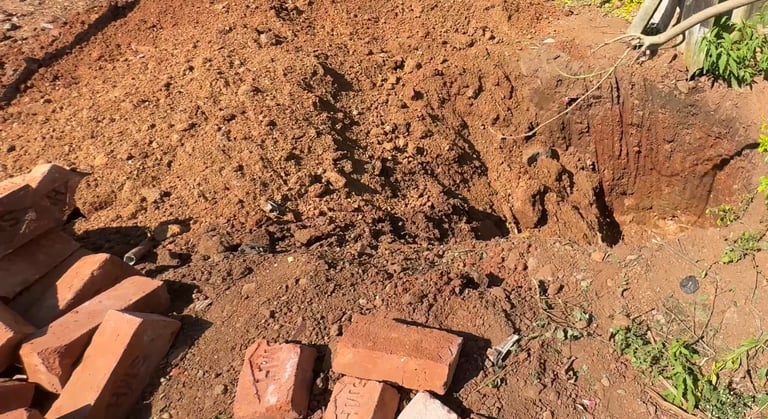
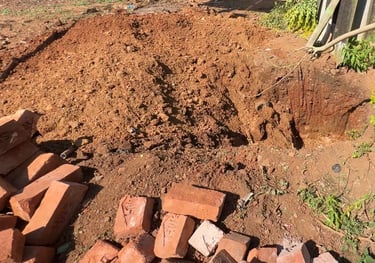
Each pit came with its own complications: hitting layers of stone during digging, bricks shaking when the soil wasn’t compacted enough, and wiring or plumbing risks if the pit was too close to existing structures. These obstacles forced constant redesigning and problem-solving on site.
Connect With Us
© 2025. All rights reserved.


projectjardh@gmail.com